Markets in Crypto-Assets Regulation
Introduction
The rapid growth of cryptocurrencies and blockchain-based financial products has transformed the global financial landscape. Digital assets are no longer a niche innovation but a significant component of modern financial markets. As adoption accelerates, governments and regulators around the world face the challenge of creating clear legal frameworks that protect consumers, ensure market integrity, and encourage innovation.
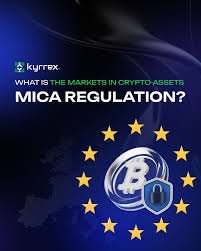
One of the most important regulatory developments in this area is the Markets in Crypto-Assets Regulation, commonly known as MiCA. This regulatory framework represents a comprehensive attempt to regulate crypto-assets in a structured and harmonized manner. Understanding Markets in Crypto-Assets Regulation is essential for investors, businesses, financial institutions, and policymakers seeking clarity and stability in the evolving crypto ecosystem.
This article provides an in-depth, SEO-friendly discussion of Markets in Crypto-Assets Regulation, its objectives, scope, impact, and significance for the future of digital finance.
Understanding Markets in Crypto-Assets Regulation
Markets in Crypto-Assets Regulation is a regulatory framework designed to oversee the issuance, trading, and provision of services related to crypto-assets. It aims to establish uniform rules across jurisdictions, reduce regulatory fragmentation, and enhance legal certainty.
Unlike traditional financial regulations, which were designed for conventional securities and banking systems, Markets in Crypto-Assets Regulation addresses the unique characteristics of blockchain-based assets. These include decentralization, borderless transactions, and innovative financial instruments that do not fit neatly into existing legal categories.
The regulation provides clear definitions, licensing requirements, and compliance obligations for market participants, creating a more transparent and predictable environment for crypto-related activities.
Objectives of Markets in Crypto-Assets Regulation
The primary objective of Markets in Crypto-Assets Regulation is to create a balanced regulatory framework that supports innovation while mitigating risks. Regulators seek to protect investors, maintain financial stability, and prevent illicit activities without stifling technological progress.
Key objectives include:
– Enhancing consumer and investor protection
– Ensuring market integrity and transparency
– Reducing risks related to fraud, market manipulation, and financial crime
– Promoting innovation and fair competition
– Establishing legal certainty for crypto-asset issuers and service providers
By achieving these goals, Markets in Crypto-Assets Regulation aims to foster trust in digital asset markets.
Scope of Markets in Crypto-Assets Regulation
Markets in Crypto-Assets Regulation applies to a broad range of crypto-assets that are not already covered by existing financial regulations. This includes utility tokens, asset-referenced tokens, and other digital assets issued or traded on blockchain networks.
The regulation also applies to crypto-asset service providers, such as exchanges, custodians, wallet providers, and trading platforms. These entities must meet specific licensing, governance, and operational requirements to operate legally.
Stablecoins and asset-backed tokens receive particular attention under Markets in Crypto-Assets Regulation due to their potential impact on financial stability. Issuers of such assets are subject to stricter rules, including reserve requirements and transparency obligations.
Licensing and Compliance Requirements
A key component of Markets in Crypto-Assets Regulation is the introduction of standardized licensing requirements for crypto-asset service providers. Companies offering crypto-related services must obtain authorization from relevant regulatory authorities.
Compliance requirements typically include:
– Capital and prudential requirements
– Governance and risk management frameworks
– Transparency and disclosure obligations
– Consumer protection measures
– Anti-money laundering and counter-terrorism financing controls
These requirements aim to professionalize the crypto industry and align it more closely with traditional financial standards.
Impact on Crypto Businesses and Startups
Markets in Crypto-Assets Regulation has significant implications for crypto businesses and startups. On one hand, compliance costs may increase, particularly for smaller companies with limited resources. Licensing, reporting, and governance obligations require careful planning and investment.
On the other hand, regulatory clarity provides long-term benefits. Businesses operating within a clear legal framework gain credibility, attract institutional investors, and expand more easily across borders. Markets in Crypto-Assets Regulation reduces uncertainty and enables companies to scale with confidence.
For startups, early compliance can become a competitive advantage in an increasingly regulated market.
Implications for Investors
Investors are among the primary beneficiaries of Markets in Crypto-Assets Regulation. Clear rules enhance transparency and reduce information asymmetry, allowing investors to make more informed decisions.
Disclosure requirements ensure that investors understand the risks associated with crypto-assets. Consumer protection measures reduce the likelihood of fraud and misconduct. As a result, regulated markets can attract a broader range of participants, including institutional investors.
However, investors must also adapt to changes in market structure and availability of certain products as regulation evolves.
Markets in Crypto-Assets Regulation and Financial Stability
One of the central concerns addressed by Markets in Crypto-Assets Regulation is financial stability. The rapid growth of crypto markets, particularly stablecoins, has raised concerns about systemic risks.
By imposing reserve requirements, governance standards, and supervisory oversight, the regulation seeks to prevent scenarios that could disrupt financial systems. These measures are designed to ensure that crypto-assets do not pose uncontrolled risks to the broader economy.
Balancing innovation and stability remains a key challenge for regulators.
Challenges and Criticisms
Despite its comprehensive approach, Markets in Crypto-Assets Regulation has faced criticism. Some industry participants argue that strict requirements could hinder innovation and disadvantage smaller players.
Others highlight the difficulty of regulating decentralized systems within centralized legal frameworks. Rapid technological change may also outpace regulatory updates, requiring continuous adaptation.
Nevertheless, Markets in Crypto-Assets Regulation represents a significant step toward regulatory maturity and dialogue between regulators and the crypto industry.
Global Influence of Markets in Crypto-Assets Regulation
Markets in Crypto-Assets Regulation is likely to influence regulatory approaches beyond its original jurisdiction. As one of the most comprehensive crypto regulatory frameworks, it may serve as a reference point for other countries developing their own rules.
Global harmonization of crypto regulation could reduce compliance complexity for multinational businesses and improve cross-border cooperation. Markets in Crypto-Assets Regulation contributes to this broader conversation.
The Future of Crypto Regulation
The implementation of Markets in Crypto-Assets Regulation marks the beginning of a new phase in crypto regulation. Ongoing dialogue between regulators, industry participants, and stakeholders will shape future amendments and interpretations.
As digital assets continue to evolve, regulation must remain flexible and responsive. Emerging trends such as decentralized finance, tokenization, and central bank digital currencies will require further regulatory consideration.
Markets in Crypto-Assets Regulation provides a foundation for this ongoing evolution.
Conclusion
Markets in Crypto-Assets Regulation represents a milestone in the regulation of digital assets. By establishing clear rules, enhancing transparency, and promoting responsible innovation, it aims to create a safer and more stable crypto market.
For businesses, investors, and policymakers, understanding Markets in Crypto-Assets Regulation is essential for navigating the future of digital finance. While challenges remain, the regulation offers a framework that balances innovation with protection, supporting the long-term development of the crypto ecosystem.
Markets in Crypto-Assets Regulation
Introduction
The rapid growth of cryptocurrencies and blockchain-based financial products has transformed the global financial landscape. Digital assets are no longer a niche innovation but a significant component of modern financial markets. As adoption accelerates, governments and regulators around the world face the challenge of creating clear legal frameworks that protect consumers, ensure market integrity, and encourage innovation.
One of the most important regulatory developments in this area is the Markets in Crypto-Assets Regulation, commonly known as MiCA. This regulatory framework represents a comprehensive attempt to regulate crypto-assets in a structured and harmonized manner. Understanding Markets in Crypto-Assets Regulation is essential for investors, businesses, financial institutions, and policymakers seeking clarity and stability in the evolving crypto ecosystem.
This article provides an in-depth, SEO-friendly discussion of Markets in Crypto-Assets Regulation, its objectives, scope, impact, and significance for the future of digital finance.
Understanding Markets in Crypto-Assets Regulation
Markets in Crypto-Assets Regulation is a regulatory framework designed to oversee the issuance, trading, and provision of services related to crypto-assets. It aims to establish uniform rules across jurisdictions, reduce regulatory fragmentation, and enhance legal certainty.
Unlike traditional financial regulations, which were designed for conventional securities and banking systems, Markets in Crypto-Assets Regulation addresses the unique characteristics of blockchain-based assets. These include decentralization, borderless transactions, and innovative financial instruments that do not fit neatly into existing legal categories.
The regulation provides clear definitions, licensing requirements, and compliance obligations for market participants, creating a more transparent and predictable environment for crypto-related activities.
Objectives of Markets in Crypto-Assets Regulation
The primary objective of Markets in Crypto-Assets Regulation is to create a balanced regulatory framework that supports innovation while mitigating risks. Regulators seek to protect investors, maintain financial stability, and prevent illicit activities without stifling technological progress.
Key objectives include:
– Enhancing consumer and investor protection
– Ensuring market integrity and transparency
– Reducing risks related to fraud, market manipulation, and financial crime
– Promoting innovation and fair competition
– Establishing legal certainty for crypto-asset issuers and service providers
By achieving these goals, Markets in Crypto-Assets Regulation aims to foster trust in digital asset markets.
Scope of Markets in Crypto-Assets Regulation
Markets in Crypto-Assets Regulation applies to a broad range of crypto-assets that are not already covered by existing financial regulations. This includes utility tokens, asset-referenced tokens, and other digital assets issued or traded on blockchain networks.
The regulation also applies to crypto-asset service providers, such as exchanges, custodians, wallet providers, and trading platforms. These entities must meet specific licensing, governance, and operational requirements to operate legally.
Stablecoins and asset-backed tokens receive particular attention under Markets in Crypto-Assets Regulation due to their potential impact on financial stability. Issuers of such assets are subject to stricter rules, including reserve requirements and transparency obligations.
Licensing and Compliance Requirements
A key component of Markets in Crypto-Assets Regulation is the introduction of standardized licensing requirements for crypto-asset service providers. Companies offering crypto-related services must obtain authorization from relevant regulatory authorities.
Compliance requirements typically include:
– Capital and prudential requirements
– Governance and risk management frameworks
– Transparency and disclosure obligations
– Consumer protection measures
– Anti-money laundering and counter-terrorism financing controls
These requirements aim to professionalize the crypto industry and align it more closely with traditional financial standards.
Impact on Crypto Businesses and Startups
Markets in Crypto-Assets Regulation has significant implications for crypto businesses and startups. On one hand, compliance costs may increase, particularly for smaller companies with limited resources. Licensing, reporting, and governance obligations require careful planning and investment.
On the other hand, regulatory clarity provides long-term benefits. Businesses operating within a clear legal framework gain credibility, attract institutional investors, and expand more easily across borders. Markets in Crypto-Assets Regulation reduces uncertainty and enables companies to scale with confidence.
For startups, early compliance can become a competitive advantage in an increasingly regulated market.
Implications for Investors
Investors are among the primary beneficiaries of Markets in Crypto-Assets Regulation. Clear rules enhance transparency and reduce information asymmetry, allowing investors to make more informed decisions.
Disclosure requirements ensure that investors understand the risks associated with crypto-assets. Consumer protection measures reduce the likelihood of fraud and misconduct. As a result, regulated markets can attract a broader range of participants, including institutional investors.
However, investors must also adapt to changes in market structure and availability of certain products as regulation evolves.
Markets in Crypto-Assets Regulation and Financial Stability
One of the central concerns addressed by Markets in Crypto-Assets Regulation is financial stability. The rapid growth of crypto markets, particularly stablecoins, has raised concerns about systemic risks.
By imposing reserve requirements, governance standards, and supervisory oversight, the regulation seeks to prevent scenarios that could disrupt financial systems. These measures are designed to ensure that crypto-assets do not pose uncontrolled risks to the broader economy.
Balancing innovation and stability remains a key challenge for regulators.
Challenges and Criticisms
Despite its comprehensive approach, Markets in Crypto-Assets Regulation has faced criticism. Some industry participants argue that strict requirements could hinder innovation and disadvantage smaller players.
Others highlight the difficulty of regulating decentralized systems within centralized legal frameworks. Rapid technological change may also outpace regulatory updates, requiring continuous adaptation.
Nevertheless, Markets in Crypto-Assets Regulation represents a significant step toward regulatory maturity and dialogue between regulators and the crypto industry.
Global Influence of Markets in Crypto-Assets Regulation
Markets in Crypto-Assets Regulation is likely to influence regulatory approaches beyond its original jurisdiction. As one of the most comprehensive crypto regulatory frameworks, it may serve as a reference point for other countries developing their own rules.
Global harmonization of crypto regulation could reduce compliance complexity for multinational businesses and improve cross-border cooperation. Markets in Crypto-Assets Regulation contributes to this broader conversation.
The Future of Crypto Regulation
The implementation of Markets in Crypto-Assets Regulation marks the beginning of a new phase in crypto regulation. Ongoing dialogue between regulators, industry participants, and stakeholders will shape future amendments and interpretations.
As digital assets continue to evolve, regulation must remain flexible and responsive. Emerging trends such as decentralized finance, tokenization, and central bank digital currencies will require further regulatory consideration.
Markets in Crypto-Assets Regulation provides a foundation for this ongoing evolution.
Conclusion
Markets in Crypto-Assets Regulation represents a milestone in the regulation of digital assets. By establishing clear rules, enhancing transparency, and promoting responsible innovation, it aims to create a safer and more stable crypto market.
For businesses, investors, and policymakers, understanding Markets in Crypto-Assets Regulation is essential for navigating the future of digital finance. While challenges remain, the regulation offers a framework that balances innovation with protection, supporting the long-term development of the crypto ecosystem.
Markets in Crypto-Assets Regulation
Introduction
The rapid growth of cryptocurrencies and blockchain-based financial products has transformed the global financial landscape. Digital assets are no longer a niche innovation but a significant component of modern financial markets. As adoption accelerates, governments and regulators around the world face the challenge of creating clear legal frameworks that protect consumers, ensure market integrity, and encourage innovation.
One of the most important regulatory developments in this area is the Markets in Crypto-Assets Regulation, commonly known as MiCA. This regulatory framework represents a comprehensive attempt to regulate crypto-assets in a structured and harmonized manner. Understanding Markets in Crypto-Assets Regulation is essential for investors, businesses, financial institutions, and policymakers seeking clarity and stability in the evolving crypto ecosystem.
This article provides an in-depth, SEO-friendly discussion of Markets in Crypto-Assets Regulation, its objectives, scope, impact, and significance for the future of digital finance.
Understanding Markets in Crypto-Assets Regulation
Markets in Crypto-Assets Regulation is a regulatory framework designed to oversee the issuance, trading, and provision of services related to crypto-assets. It aims to establish uniform rules across jurisdictions, reduce regulatory fragmentation, and enhance legal certainty.
Unlike traditional financial regulations, which were designed for conventional securities and banking systems, Markets in Crypto-Assets Regulation addresses the unique characteristics of blockchain-based assets. These include decentralization, borderless transactions, and innovative financial instruments that do not fit neatly into existing legal categories.
The regulation provides clear definitions, licensing requirements, and compliance obligations for market participants, creating a more transparent and predictable environment for crypto-related activities.
Objectives of Markets in Crypto-Assets Regulation
The primary objective of Markets in Crypto-Assets Regulation is to create a balanced regulatory framework that supports innovation while mitigating risks. Regulators seek to protect investors, maintain financial stability, and prevent illicit activities without stifling technological progress.
Key objectives include:
– Enhancing consumer and investor protection
– Ensuring market integrity and transparency
– Reducing risks related to fraud, market manipulation, and financial crime
– Promoting innovation and fair competition
– Establishing legal certainty for crypto-asset issuers and service providers
By achieving these goals, Markets in Crypto-Assets Regulation aims to foster trust in digital asset markets.
Scope of Markets in Crypto-Assets Regulation
Markets in Crypto-Assets Regulation applies to a broad range of crypto-assets that are not already covered by existing financial regulations. This includes utility tokens, asset-referenced tokens, and other digital assets issued or traded on blockchain networks.
The regulation also applies to crypto-asset service providers, such as exchanges, custodians, wallet providers, and trading platforms. These entities must meet specific licensing, governance, and operational requirements to operate legally.
Stablecoins and asset-backed tokens receive particular attention under Markets in Crypto-Assets Regulation due to their potential impact on financial stability. Issuers of such assets are subject to stricter rules, including reserve requirements and transparency obligations.
Licensing and Compliance Requirements
A key component of Markets in Crypto-Assets Regulation is the introduction of standardized licensing requirements for crypto-asset service providers. Companies offering crypto-related services must obtain authorization from relevant regulatory authorities.
Compliance requirements typically include:
– Capital and prudential requirements
– Governance and risk management frameworks
– Transparency and disclosure obligations
– Consumer protection measures
– Anti-money laundering and counter-terrorism financing controls
These requirements aim to professionalize the crypto industry and align it more closely with traditional financial standards.
Impact on Crypto Businesses and Startups
Markets in Crypto-Assets Regulation has significant implications for crypto businesses and startups. On one hand, compliance costs may increase, particularly for smaller companies with limited resources. Licensing, reporting, and governance obligations require careful planning and investment.
On the other hand, regulatory clarity provides long-term benefits. Businesses operatin
Blog
-

Markets in Crypto-Assets Regulation
-

Cryptocurrency Analysis as an Investment Asset for Wiser Investment Decisions
Introduction
In recent years, cryptocurrency has emerged as one of the most discussed investment assets in the global financial ecosystem. From Bitcoin’s creation as a decentralized peer-to-peer payment system to the rapid growth of thousands of alternative digital assets, cryptocurrencies have fundamentally changed how investors view value, ownership, and financial independence.
Unlike traditional investment instruments such as stocks, bonds, and commodities, cryptocurrencies are built on blockchain technology, enabling transparency, immutability, and decentralized control. These characteristics attract both retail and institutional investors seeking diversification, innovation, and potential high returns. However, the complexity and volatility of cryptocurrency markets also demand deeper analysis for wiser investment decisions.
This article provides a comprehensive, SEO-friendly discussion on cryptocurrency analysis as an investment asset, focusing on analytical frameworks, risks, opportunities, and strategies to support informed decision-making.
Understanding Cryptocurrency as an Investment Asset
Cryptocurrency is a digital asset secured through cryptographic mechanisms and maintained by decentralized blockchain networks. Instead of relying on central authorities, transactions are validated by distributed consensus mechanisms such as proof of work or proof of stake.
As an investment asset, cryptocurrency differs significantly from traditional financial instruments. It operates continuously without market closures, offers global accessibility, and allows peer-to-peer transfers with minimal intermediaries. These advantages contribute to its appeal, especially among technology-driven and globally connected investors.
However, cryptocurrencies are also characterized by price volatility, evolving regulations, and technological uncertainties. Understanding these characteristics is essential before treating cryptocurrency as a long-term investment asset.
The Role of Cryptocurrency Analysis in Investment Decisions
Cryptocurrency analysis plays a critical role in separating informed investing from speculative trading. Investors who rely solely on hype or short-term price movements often face increased risks and inconsistent outcomes.
A structured analytical approach enables investors to:
– Evaluate the long-term viability of digital assets
– Identify potential growth opportunities
– Manage downside risks more effectively
– Align crypto investments with broader financial goals
By applying analysis consistently, investors can develop wiser, data-driven investment decisions.
Fundamental Analysis of Cryptocurrencies
Fundamental analysis focuses on assessing the intrinsic value of a cryptocurrency project. It examines whether a digital asset has a sustainable purpose, strong development, and long-term demand.
Technology and Innovation
Investors should analyze the underlying blockchain technology, including scalability, security, and functionality. Projects offering innovative solutions to real-world problems tend to have stronger investment potential.
Team and Governance
A transparent, experienced development team and clear governance structure contribute to project credibility. Open-source development and active community participation often indicate resilience.
Tokenomics and Supply Dynamics
Token supply, issuance mechanisms, inflation rates, and utility directly affect price behavior. Well-designed tokenomics align incentives among users, developers, and investors.
Adoption and Ecosystem Growth
Real-world adoption, partnerships, and ecosystem expansion enhance a cryptocurrency’s long-term value proposition.
Technical Analysis in Cryptocurrency Markets
Technical analysis involves studying historical price data, chart patterns, and trading indicators to forecast future market movements. Due to the high volatility of cryptocurrency markets, technical analysis is widely used by traders and investors.
Common tools include moving averages, relative strength index, trendlines, and volume analysis. These indicators help investors identify market momentum, potential reversals, and optimal entry or exit points.
Although technical analysis cannot predict market behavior with certainty, it provides valuable insights when combined with sound risk management.
Sentiment Analysis and Market Behavior
Market sentiment plays a significant role in cryptocurrency price movements. News events, regulatory announcements, social media discussions, and macroeconomic conditions can rapidly influence investor psychology.
Positive sentiment often drives bullish momentum, while negative sentiment can trigger sharp sell-offs. Monitoring sentiment indicators allows investors to anticipate market reactions and avoid emotionally driven decisions.
Risk Factors Associated with Cryptocurrency Investment
Investing in cryptocurrency involves several risk factors that must be carefully considered.
Price Volatility
Cryptocurrency prices can experience extreme fluctuations within short periods. While volatility creates profit opportunities, it also increases the risk of significant losses.
Regulatory Uncertainty
Global regulatory frameworks for cryptocurrencies are still evolving. Changes in regulations can affect exchanges, liquidity, and asset valuations.
Security and Custody Risks
Hacks, smart contract failures, and improper storage solutions pose ongoing threats. Secure wallets and risk awareness are essential for asset protection.
Project-Specific Risks
Not all cryptocurrency projects succeed. Poor execution, lack of adoption, or strong competition can lead to project failure.
Cryptocurrency Compared to Traditional Investment Assets
When compared to traditional assets, cryptocurrencies offer distinct advantages and limitations. Unlike stocks, cryptocurrencies are not linked to corporate earnings. Unlike bonds, they do not provide predictable income. However, they offer high growth potential and portfolio diversification.
As a non-correlated asset class, cryptocurrency can reduce overall portfolio risk when allocated appropriately. Strategic exposure rather than overconcentration is key to wiser investment outcomes.
Investment Strategies for Cryptocurrency Assets
Investors may choose different strategies depending on risk tolerance and investment horizon.
Long-Term Investment Strategy
Long-term investors focus on holding high-quality cryptocurrencies based on strong fundamentals and long-term adoption potential. This approach reduces the impact of short-term price volatility.
Short-Term Trading Strategy
Short-term traders aim to profit from market fluctuations using technical indicators and active monitoring. This strategy requires experience, discipline, and risk control.
Dollar-Cost Averaging
This strategy involves investing fixed amounts at regular intervals, reducing the impact of market timing and volatility.
Portfolio Diversification and Risk Management
Effective risk management is essential for sustainable cryptocurrency investing. Diversifying across multiple digital assets and traditional investments reduces exposure to individual risks.
Position sizing, stop-loss strategies, and regular portfolio reviews help investors maintain discipline and protect capital. A well-balanced portfolio supports wiser long-term investment decisions.
Institutional Adoption and Market Maturity
Institutional participation in cryptocurrency markets has grown significantly. Financial institutions, corporations, and investment funds increasingly recognize digital assets as a legitimate investment category.
Institutional adoption improves liquidity, market infrastructure, and regulatory clarity. This trend supports the long-term credibility of cryptocurrency as an investment asset.
Future Outlook for Cryptocurrency Investments
The future of cryptocurrency as an investment asset depends on continued technological innovation, regulatory development, and global adoption. Advancements in decentralized finance, blockchain scalability, and digital asset custody are expanding investment opportunities.
Despite market cycles and short-term volatility, cryptocurrencies are likely to remain a significant component of the global financial system. Investors who apply thorough analysis and disciplined strategies are better positioned to navigate this evolving market.
Conclusion
Cryptocurrency analysis as an investment asset is a critical component of wiser investment decisions. By combining fundamental, technical, and sentiment analysis, investors can move beyond speculation and adopt a strategic approach to digital asset investing.
While risks remain, cryptocurrencies offer unique opportunities for diversification, innovation, and long-term growth. With proper research, risk management, and continuous learning, cryptocurrency can play a valuable role in a modern investment portfolio.
Cryptocurrency Analysis as an Investment Asset for Wiser Investment Decisions
Introduction
In recent years, cryptocurrency has emerged as one of the most discussed investment assets in the global financial ecosystem. From Bitcoin’s creation as a decentralized peer-to-peer payment system to the rapid growth of thousands of alternative digital assets, cryptocurrencies have fundamentally changed how investors view value, ownership, and financial independence.
Unlike traditional investment instruments such as stocks, bonds, and commodities, cryptocurrencies are built on blockchain technology, enabling transparency, immutability, and decentralized control. These characteristics attract both retail and institutional investors seeking diversification, innovation, and potential high returns. However, the complexity and volatility of cryptocurrency markets also demand deeper analysis for wiser investment decisions.
This article provides a comprehensive, SEO-friendly discussion on cryptocurrency analysis as an investment asset, focusing on analytical frameworks, risks, opportunities, and strategies to support informed decision-making.
Understanding Cryptocurrency as an Investment Asset
Cryptocurrency is a digital asset secured through cryptographic mechanisms and maintained by decentralized blockchain networks. Instead of relying on central authorities, transactions are validated by distributed consensus mechanisms such as proof of work or proof of stake.
As an investment asset, cryptocurrency differs significantly from traditional financial instruments. It operates continuously without market closures, offers global accessibility, and allows peer-to-peer transfers with minimal intermediaries. These advantages contribute to its appeal, especially among technology-driven and globally connected investors.
However, cryptocurrencies are also characterized by price volatility, evolving regulations, and technological uncertainties. Understanding these characteristics is essential before treating cryptocurrency as a long-term investment asset.
The Role of Cryptocurrency Analysis in Investment Decisions
Cryptocurrency analysis plays a critical role in separating informed investing from speculative trading. Investors who rely solely on hype or short-term price movements often face increased risks and inconsistent outcomes.
A structured analytical approach enables investors to:
– Evaluate the long-term viability of digital assets
– Identify potential growth opportunities
– Manage downside risks more effectively
– Align crypto investments with broader financial goals
By applying analysis consistently, investors can develop wiser, data-driven investment decisions.
Fundamental Analysis of Cryptocurrencies
Fundamental analysis focuses on assessing the intrinsic value of a cryptocurrency project. It examines whether a digital asset has a sustainable purpose, strong development, and long-term demand.
Technology and Innovation
Investors should analyze the underlying blockchain technology, including scalability, security, and functionality. Projects offering innovative solutions to real-world problems tend to have stronger investment potential.
Team and Governance
A transparent, experienced development team and clear governance structure contribute to project credibility. Open-source development and active community participation often indicate resilience.
Tokenomics and Supply Dynamics
Token supply, issuance mechanisms, inflation rates, and utility directly affect price behavior. Well-designed tokenomics align incentives among users, developers, and investors.
Adoption and Ecosystem Growth
Real-world adoption, partnerships, and ecosystem expansion enhance a cryptocurrency’s long-term value proposition.
Technical Analysis in Cryptocurrency Markets
Technical analysis involves studying historical price data, chart patterns, and trading indicators to forecast future market movements. Due to the high volatility of cryptocurrency markets, technical analysis is widely used by traders and investors.
Common tools include moving averages, relative strength index, trendlines, and volume analysis. These indicators help investors identify market momentum, potential reversals, and optimal entry or exit points.
Although technical analysis cannot predict market behavior with certainty, it provides valuable insights when combined with sound risk management.
Sentiment Analysis and Market Behavior
Market sentiment plays a significant role in cryptocurrency price movements. News events, regulatory announcements, social media discussions, and macroeconomic conditions can rapidly influence investor psychology.
Positive sentiment often drives bullish momentum, while negative sentiment can trigger sharp sell-offs. Monitoring sentiment indicators allows investors to anticipate market reactions and avoid emotionally driven decisions.
Risk Factors Associated with Cryptocurrency Investment
Investing in cryptocurrency involves several risk factors that must be carefully considered.
Price Volatility
Cryptocurrency prices can experience extreme fluctuations within short periods. While volatility creates profit opportunities, it also increases the risk of significant losses.
Regulatory Uncertainty
Global regulatory frameworks for cryptocurrencies are still evolving. Changes in regulations can affect exchanges, liquidity, and asset valuations.
Security and Custody Risks
Hacks, smart contract failures, and improper storage solutions pose ongoing threats. Secure wallets and risk awareness are essential for asset protection.
Project-Specific Risks
Not all cryptocurrency projects succeed. Poor execution, lack of adoption, or strong competition can lead to project failure.
Cryptocurrency Compared to Traditional Investment Assets
When compared to traditional assets, cryptocurrencies offer distinct advantages and limitations. Unlike stocks, cryptocurrencies are not linked to corporate earnings. Unlike bonds, they do not provide predictable income. However, they offer high growth potential and portfolio diversification.
As a non-correlated asset class, cryptocurrency can reduce overall portfolio risk when allocated appropriately. Strategic exposure rather than overconcentration is key to wiser investment outcomes.
Investment Strategies for Cryptocurrency Assets
Investors may choose different strategies depending on risk tolerance and investment horizon.
Long-Term Investment Strategy
Long-term investors focus on holding high-quality cryptocurrencies based on strong fundamentals and long-term adoption potential. This approach reduces the impact of short-term price volatility.
Short-Term Trading Strategy
Short-term traders aim to profit from market fluctuations using technical indicators and active monitoring. This strategy requires experience, discipline, and risk control.
Dollar-Cost Averaging
This strategy involves investing fixed amounts at regular intervals, reducing the impact of market timing and volatility.
Portfolio Diversification and Risk Management
Effective risk management is essential for sustainable cryptocurrency investing. Diversifying across multiple digital assets and traditional investments reduces exposure to individual risks.
Position sizing, stop-loss strategies, and regular portfolio reviews help investors maintain discipline and protect capital. A well-balanced portfolio supports wiser long-term investment decisions.
Institutional Adoption and Market Maturity
Institutional participation in cryptocurrency markets has grown significantly. Financial institutions, corporations, and investment funds increasingly recognize digital assets as a legitimate investment category.
Institutional adoption improves liquidity, market infrastructure, and regulatory clarity. This trend supports the long-term credibility of cryptocurrency as an investment asset.
Future Outlook for Cryptocurrency Investments
The future of cryptocurrency as an investment asset depends on continued technological innovation, regulatory development, and global adoption. Advancements in decentralized finance, blockchain scalability, and digital asset custody are expanding investment opportunities.
Despite market cycles and short-term volatility, cryptocurrencies are likely to remain a significant component of the global financial system. Investors who apply thorough analysis and disciplined strategies are better positioned to navigate this evolving market.
Conclusion
Cryptocurrency analysis as an investment asset is a critical component of wiser investment decisions. By combining fundamental, technical, and sentiment analysis, investors can move beyond speculation and adopt a strategic approach to digital asset investing.
While risks remain, cryptocurrencies offer unique opportunities for diversification, innovation, and long-term growth. With proper research, risk management, and continuous learning, cryptocurrency can play a valuable role in a modern investment portfolio.
Cryptocurrency Analysis as an Investment Asset for Wiser Investment Decisions
Introduction
In recent years, cryptocurrency has emerged as one of the most discussed investment assets in the global financial ecosystem. From Bitcoin’s creation as a decentralized peer-to-peer payment system to the rapid growth of thousands of alternative digital assets, cryptocurrencies have fundamentally changed how investors view value, ownership, and financial independence.
Unlike traditional investment instruments such as stocks, bonds, and commodities, cryptocurrencies are built on blockchain technology, enabling transparency, immutability, and decentralized control. These characteristics attract both retail and institutional investors seeking diversification, innovation, and potential high returns. However, the complexity and volatility of cryptocurrency markets also demand deeper analysis for wiser investment decisions.
This article provides a comprehensive, SEO-friendly discussion on cryptocurrency analysis as an investment asset, focusing on analytical frameworks, risks, opportunities, and strategies to support informed decision-making.
Understanding Cryptocurrency as an Investment Asset
Cryptocurrency is a digital asset secured through cryptographic mechanisms and maintained by decentralized blockchain networks. Instead of relying on central authorities, transactions are validated by distributed consensus mechanisms such as proof of work or proof of stake.
As an investment asset, cryptocurrency differs significantly from traditional financial instruments. It operates continuously without market closures, offers global accessibility, and allows peer-to-peer transfers with minimal intermediaries. These advantages contribute to its appeal, especially among technology-driven and globally connected investors.
However, cryptocurrencies are also characterized by price volatility, evolving regulations, and technological uncertainties. Understanding these characteristics is essential before treating cryptocurrency as a long-term investment asset.
The Role of Cryptocurrency Analysis in Investment Decisions
Cryptocurrency analysis plays a critical role in separating informed investing from speculative trading. Investors who rely solely on hype or short-term price movements often face increased risks and inconsistent outcomes.
A structured analytical approach enables investors to:
– Evaluate the long-term viability of digital assets
– Identify potential growth opportunities
– Manage downside risks more effectively
– Align crypto investments with broader financial goals
By applying analysis consistently, investors can develop wiser, data-driven investment decisions.
Fundamental Analysis of Cryptocurrencies
Fundamental analysis focuses on assessing the intrinsic value of a cryptocurrency project. It examines whether a digital asset has a sustainable purpose, strong development, and long-term demand.
Technology and Innovation
Investors should analyze the underlying blockchain technology, including scalability, security, and functionality. Projects offering innovative solutions to real-world problems tend to have stronger investment potential.
Team and Governance
A transparent, experienced development team and clear governance structure contribute to project credibility. Open-source development and active community participation often indicate resilience.
Tokenomics and Supply Dynamics
Token supply, issuance mechanisms, inflation rates, and utility directly affect price behavior. Well-designed tokenomics align incentives among users, developers, and investors.
Adoption and Ecosystem Growth
Real-world adoption, partnerships, and ecosystem expansion enhance a cryptocurrency’s long-term value proposition.
Technical Analysis in Cryptocurrency Markets
Technical analysis involves studying historical price data, chart patterns, and trading indicators to forecast fu -

Visa and BVNK Streamline Global Payouts
Introduction
In today’s interconnected digital economy, businesses operate without borders. Companies hire global talent, serve international customers, and manage suppliers across continents. As globalization accelerates, the need for fast, secure, and cost-efficient global payout solutions has become more critical than ever. Traditional cross-border payment systems are often slow, expensive, and complex, creating friction for businesses and individuals alike.
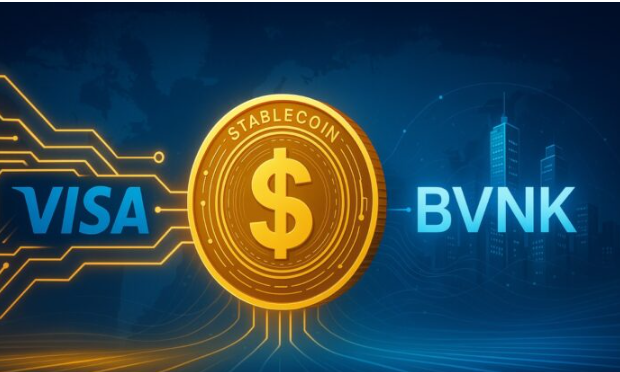
This is where innovative financial technology companies step in. Visa, a global leader in digital payments, and BVNK, a modern financial infrastructure provider, are reshaping how global payouts work. By combining Visa’s vast global payment network with BVNK’s advanced digital and crypto-native infrastructure, global payouts can be streamlined, simplified, and modernized.
This article explores how Visa and BVNK streamline global payouts, why it matters for businesses, and how this collaboration represents the future of international payments. Designed to be SEO-friendly and informative, this comprehensive guide will help you understand the evolving landscape of global payouts and the strategic importance of Visa and BVNK in this space.
Understanding Global Payouts
Global payouts refer to the process of sending money to recipients across different countries. These recipients may include employees, freelancers, affiliates, vendors, content creators, or partners. Payouts can be one-to-many, recurring, or on-demand, depending on the business model.
Traditional payout methods rely heavily on bank transfers, such as SWIFT wires. While reliable, these systems are often slow, taking several days to process. Fees can be high, exchange rates unfavorable, and transparency limited. For businesses operating at scale, these inefficiencies translate into higher costs, operational complexity, and reduced satisfaction for recipients.
Modern global payouts aim to solve these challenges by offering faster settlement times, lower costs, real-time tracking, and improved user experience. Visa and BVNK address these needs through technology-driven solutions.
Visa’s Role in the Global Payments Ecosystem
Visa is one of the most recognized names in the global payments industry. Operating in over 200 countries and territories, Visa connects consumers, businesses, financial institutions, and governments through its vast payment network.
Visa’s core strength lies in its ability to process transactions securely and efficiently at massive scale. With billions of transactions processed annually, Visa provides reliability, security, and trust. Beyond consumer card payments, Visa has expanded into business-to-business payments, cross-border remittances, and real-time payout solutions.
Visa Direct, for example, enables funds to be sent directly to eligible debit cards, bank accounts, or digital wallets. This capability significantly reduces payout times compared to traditional bank transfers. By leveraging Visa’s infrastructure, businesses can reach recipients almost anywhere in the world.
BVNK and Modern Financial Infrastructure
BVNK is a financial technology company focused on building modern payment infrastructure for global businesses. It bridges traditional finance with digital assets, offering businesses flexible ways to move money across borders.
BVNK specializes in regulated, compliant solutions that integrate fiat currencies and blockchain-based payment rails. This hybrid approach allows businesses to benefit from the speed and efficiency of digital assets while maintaining regulatory compliance.
By offering APIs, wallet services, and payout solutions, BVNK enables companies to automate global payments, reduce operational overhead, and access new markets. Its infrastructure is particularly attractive to digital-native businesses, marketplaces, and platforms with international user bases.
How Visa and BVNK Streamline Global Payouts
The collaboration between Visa and BVNK represents a powerful combination of global reach and modern technology. Together, they streamline global payouts in several key ways.
First, speed is dramatically improved. Traditional international bank transfers can take three to five business days or longer. By using Visa’s payment rails and BVNK’s infrastructure, payouts can be processed much faster, often in near real time.
Second, costs are reduced. Cross-border bank transfers often involve multiple intermediaries, each adding fees. Visa and BVNK minimize intermediaries, leading to more transparent and competitive pricing. Businesses can better predict costs and improve financial planning.
Third, accessibility is enhanced. Recipients do not always have access to traditional banking services, especially in emerging markets. Visa’s extensive card network and BVNK’s digital wallet solutions allow payouts to reach a broader audience, including underbanked populations.
Fourth, operational efficiency is increased. Through APIs and automation, businesses can integrate payout systems directly into their platforms. This reduces manual processes, errors, and administrative burden.
Security and Compliance in Global Payouts
Security and compliance are critical in cross-border payments. Fraud, money laundering, and regulatory risks are major concerns for businesses operating internationally.
Visa brings decades of experience in payment security, including advanced fraud detection, encryption, and tokenization technologies. Its systems are designed to protect sensitive financial data and prevent unauthorized transactions.
BVNK complements this with a strong focus on regulatory compliance. Operating within established legal frameworks, BVNK ensures that its services meet international standards for anti-money laundering and know-your-customer requirements.
Together, Visa and BVNK offer a secure and compliant environment for global payouts, giving businesses confidence as they expand internationally.
Benefits for Businesses
The ability to streamline global payouts provides significant advantages for businesses of all sizes.
For startups and digital platforms, faster payouts improve user satisfaction and trust. Freelancers and creators prefer platforms that pay quickly and reliably. This can be a key differentiator in competitive markets.
For enterprises, efficient payouts reduce operational costs and complexity. Finance teams can manage international payments more effectively, freeing resources for strategic initiatives.
Marketplaces benefit from scalable payout solutions that grow with their user base. Whether paying thousands of sellers or affiliates, automation and reliability are essential.
Industries That Benefit Most
Several industries stand to gain significantly from Visa and BVNK’s global payout solutions.
The gig economy relies on frequent, cross-border payments to freelancers and contractors. Fast payouts improve retention and engagement.
E-commerce platforms need to pay international sellers efficiently. Streamlined payouts help platforms expand globally without financial bottlenecks.
Gaming and digital content platforms often pay creators worldwide. Reliable global payouts ensure creators are compensated fairly and on time.
Financial services and fintech companies can leverage these solutions to offer enhanced payout options to their customers.
The Role of Technology and APIs
Technology is at the heart of modern global payouts. APIs enable seamless integration between business systems and payment infrastructure.
BVNK’s API-driven approach allows businesses to customize payout flows, automate processes, and access real-time data. Visa’s technology ensures transactions are processed quickly and securely across borders.
This technological synergy allows businesses to build scalable, future-proof payout systems that adapt to changing market needs.
The Future of Global Payouts
As digital commerce continues to grow, the demand for efficient global payouts will only increase. Businesses expect faster settlement, lower costs, and greater transparency.
Visa and BVNK are well-positioned to meet these demands. By combining trusted global networks with innovative financial infrastructure, they represent the future of cross-border payments.
Emerging technologies such as blockchain, real-time payments, and digital currencies may further enhance global payouts. Partnerships like Visa and BVNK demonstrate how traditional finance and fintech can work together to drive innovation.
Conclusion
Visa and BVNK streamline global payouts by addressing the core challenges of speed, cost, accessibility, and security. Their combined strengths offer businesses a modern solution for managing international payments in an increasingly global economy.
For companies looking to expand internationally, improve user satisfaction, and optimize financial operations, streamlined global payouts are no longer optional. They are a strategic necessity.
By leveraging Visa’s global payment network and BVNK’s modern financial infrastructure, businesses can unlock new opportunities, reach global audiences, and stay competitive in a rapidly evolving digital world.
Visa and BVNK Streamline Global Payouts: The Future of Cross-Border Payments
Introduction
In today’s interconnected digital economy, businesses operate without borders. Companies hire global talent, serve international customers, and manage suppliers across continents. As globalization accelerates, the need for fast, secure, and cost-efficient global payout solutions has become more critical than ever. Traditional cross-border payment systems are often slow, expensive, and complex, creating friction for businesses and individuals alike.
This is where innovative financial technology companies step in. Visa, a global leader in digital payments, and BVNK, a modern financial infrastructure provider, are reshaping how global payouts work. By combining Visa’s vast global payment network with BVNK’s advanced digital and crypto-native infrastructure, global payouts can be streamlined, simplified, and modernized.
This article explores how Visa and BVNK streamline global payouts, why it matters for businesses, and how this collaboration represents the future of international payments. Designed to be SEO-friendly and informative, this comprehensive guide will help you understand the evolving landscape of global payouts and the strategic importance of Visa and BVNK in this space.
Understanding Global Payouts
Global payouts refer to the process of sending money to recipients across different countries. These recipients may include employees, freelancers, affiliates, vendors, content creators, or partners. Payouts can be one-to-many, recurring, or on-demand, depending on the business model.
Traditional payout methods rely heavily on bank transfers, such as SWIFT wires. While reliable, these systems are often slow, taking several days to process. Fees can be high, exchange rates unfavorable, and transparency limited. For businesses operating at scale, these inefficiencies translate into higher costs, operational complexity, and reduced satisfaction for recipients.
Modern global payouts aim to solve these challenges by offering faster settlement times, lower costs, real-time tracking, and improved user experience. Visa and BVNK address these needs through technology-driven solutions.
Visa’s Role in the Global Payments Ecosystem
Visa is one of the most recognized names in the global payments industry. Operating in over 200 countries and territories, Visa connects consumers, businesses, financial institutions, and governments through its vast payment network.
Visa’s core strength lies in its ability to process transactions securely and efficiently at massive scale. With billions of transactions processed annually, Visa provides reliability, security, and trust. Beyond consumer card payments, Visa has expanded into business-to-business payments, cross-border remittances, and real-time payout solutions.
Visa Direct, for example, enables funds to be sent directly to eligible debit cards, bank accounts, or digital wallets. This capability significantly reduces payout times compared to traditional bank transfers. By leveraging Visa’s infrastructure, businesses can reach recipients almost anywhere in the world.
BVNK and Modern Financial Infrastructure
BVNK is a financial technology company focused on building modern payment infrastructure for global businesses. It bridges traditional finance with digital assets, offering businesses flexible ways to move money across borders.
BVNK specializes in regulated, compliant solutions that integrate fiat currencies and blockchain-based payment rails. This hybrid approach allows businesses to benefit from the speed and efficiency of digital assets while maintaining regulatory compliance.
By offering APIs, wallet services, and payout solutions, BVNK enables companies to automate global payments, reduce operational overhead, and access new markets. Its infrastructure is particularly attractive to digital-native businesses, marketplaces, and platforms with international user bases.
How Visa and BVNK Streamline Global Payouts
The collaboration between Visa and BVNK represents a powerful combination of global reach and modern technology. Together, they streamline global payouts in several key ways.
First, speed is dramatically improved. Traditional international bank transfers can take three to five business days or longer. By using Visa’s payment rails and BVNK’s infrastructure, payouts can be processed much faster, often in near real time.
Second, costs are reduced. Cross-border bank transfers often involve multiple intermediaries, each adding fees. Visa and BVNK minimize intermediaries, leading to more transparent and competitive pricing. Businesses can better predict costs and improve financial planning.
Third, accessibility is enhanced. Recipients do not always have access to traditional banking services, especially in emerging markets. Visa’s extensive card network and BVNK’s digital wallet solutions allow payouts to reach a broader audience, including underbanked populations.
Fourth, operational efficiency is increased. Through APIs and automation, businesses can integrate payout systems directly into their platforms. This reduces manual processes, errors, and administrative burden.
Security and Compliance in Global Payouts
Security and compliance are critical in cross-border payments. Fraud, money laundering, and regulatory risks are major concerns for businesses operating internationally.
Visa brings decades of experience in payment security, including advanced fraud detection, encryption, and tokenization technologies. Its systems are designed to protect sensitive financial data and prevent unauthorized transactions.
BVNK complements this with a strong focus on regulatory compliance. Operating within established legal frameworks, BVNK ensures that its services meet international standards for anti-money laundering and know-your-customer requirements.
Together, Visa and BVNK offer a secure and compliant environment for global payouts, giving businesses confidence as they expand internationally.
Benefits for Businesses
The ability to streamline global payouts provides significant advantages for businesses of all sizes.
For startups and digital platforms, faster payouts improve user satisfaction and trust. Freelancers and creators prefer platforms that pay quickly and reliably. This can be a key differentiator in competitive markets.
For enterprises, efficient payouts reduce operational costs and complexity. Finance teams can manage international payments more effectively, freeing resources for strategic initiatives.
Marketplaces benefit from scalable payout solutions that grow with their user base. Whether paying thousands of sellers or affiliates, automation and reliability are essential.
Industries That Benefit Most
Several industries stand to gain significantly from Visa and BVNK’s global payout solutions.
The gig economy relies on frequent, cross-border payments to freelancers and contractors. Fast payouts improve retention and engagement.
E-commerce platforms need to pay international sellers efficiently. Streamlined payouts help platforms expand globally without financial bottlenecks.
Gaming and digital content platforms often pay creators worldwide. Reliable global payouts ensure creators are compensated fairly and on time.
Financial services and fintech companies can leverage these solutions to offer enhanced payout options to their customers.
The Role of Technology and APIs
Technology is at the heart of modern global payouts. APIs enable seamless integration between business systems and payment infrastructure.
BVNK’s API-driven approach allows businesses to customize payout flows, automate processes, and access real-time data. Visa’s technology ensures transactions are processed quickly and securely across borders.
This technological synergy allows businesses to build scalable, future-proof payout systems that adapt to changing market needs.
The Future of Global Payouts
As digital commerce continues to grow, the demand for efficient global payouts will only increase. Businesses expect faster settlement, lower costs, and greater transparency.
Visa and BVNK are well-positioned to meet these demands. By combining trusted global networks with innovative financial infrastructure, they represent the future of cross-border payments.
Emerging technologies such as blockchain, real-time payments, and digital currencies may further enhance global payouts. Partnerships like Visa and BVNK demonstrate how traditional finance and fintech can work together to drive innovation.
Conclusion
Visa and BVNK streamline global payouts by addressing the core challenges of speed, cost, accessibility, and security. Their combined strengths offer businesses a modern solution for managing international payments in an increasingly global economy.
For companies looking to expand internationally, improve user satisfaction, and optimize financial operations, streamlined global payouts are no longer optional. They are a strategic necessity.
By leveraging Visa’s global payment network and BVNK’s modern financial infrastructure, businesses can unlock new opportunities, reach global audiences, and stay competitive in a rapidly evolving digital world.
Visa and BVNK Streamline Global Payouts: The Future of Cross-Border Payments
Introduction
In today’s interconnected digital economy, businesses operate without borders. Companies hire global talent, serve international customers, and manage suppliers across continents. As globalization accelerates, the need for fast, secure, and cost-efficient global payout solutions has become more critical than ever. Traditional cross-border payment systems are often slow, expensive, and complex, creating friction for businesses and individuals alike.
This is where innovative financial technology companies step in. Visa, a global leader in digital payments, and BVNK, a modern financial infrastructure provider, are reshaping how global payouts work. By combining Visa’s vast global payment network with BVNK’s advanced digital and crypto-native infrastructure, global payouts can be streamlined, simplified, and modernized.
This article explores how Visa and BVNK streamline global payouts, why it matters for businesses, and how this collaboration represents the future of international payments. Designed to be SEO-friendly and informative, this comprehensive guide will help you understand the evolving landscape of global payouts and the strategic importance of Visa and BVNK in this space.
Understanding Global Payouts
Global payouts refer to the process of sending money to recipients across different countries. These recipients may include employees -
Hello world!
Welcome to WordPress. This is your first post. Edit or delete it, then start writing!